Key Takeaways
- Understand what a modern cloud service for small business can offer
- Learn about the leading cloud providers and their strengths
- Compare Google Workspace and Microsoft 365 for daily use
- Discover how the right cloud strategy can improve customer experience
- Get practical guidance on choosing a trusted provider that supports your business goals
Why Cloud Services Matter More Than Ever for Small Businesses
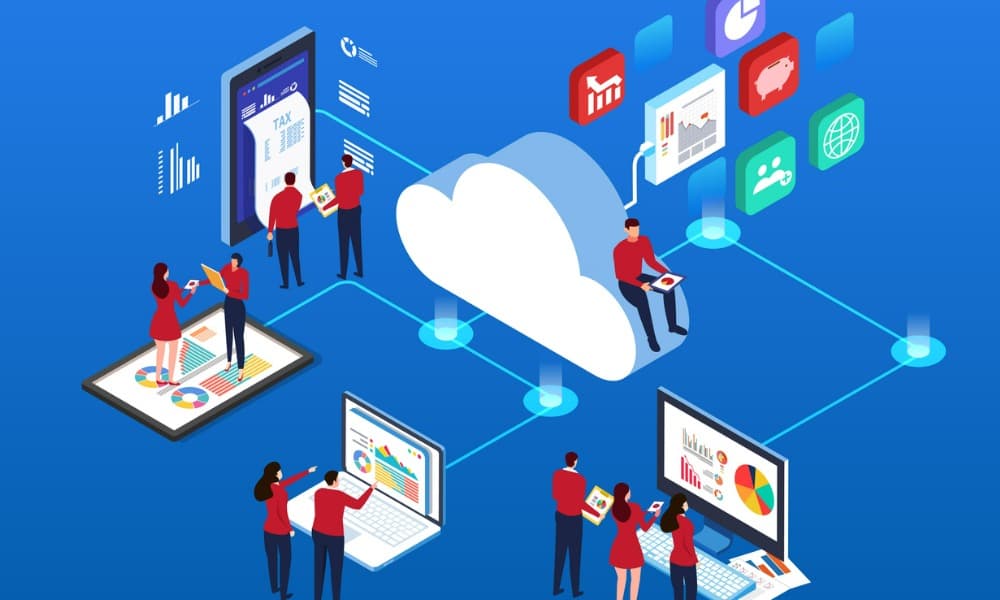
For small businesses, agility and customer experience often determine success. Yet, limited budgets, lean teams, and growing technology demands can make it hard to compete. A cloud service for small business bridges that gap. It enables access to enterprise-grade technology without the cost or complexity of on-premises systems.The cloud provides instant access to tools, data, and collaboration platforms from anywhere, essential for today’s hybrid and remote work environments. It supports security and compliance while reducing IT overhead. For many small organizations, the cloud is the single most important investment they can make to future-proof operations and elevate the customer experience.When employees can access real-time data, communicate effectively, and serve clients faster, customer satisfaction rises naturally. The right cloud platform doesn’t just streamline operations, it helps build stronger, more responsive relationships with customers.
What Makes a Strong Cloud Service for Small Business
Not all cloud solutions are created equal. A strong cloud service for small business should do more than provide storage or software access. It should improve business outcomes: enhancing productivity, communication, and customer engagement.Look for cloud platforms that offer:
- Reliable uptime and data redundancy
- Scalable pricing based on actual usage
- Robust cybersecurity protections
- Integration with everyday business tools
- Easy onboarding and intuitive user experience
- Access to real-time collaboration tools
These capabilities give small businesses the same level of sophistication once reserved for large enterprises. More importantly, they allow teams to focus on delivering exceptional customer experiences instead of managing technology issues.
The Top Cloud Providers for Small Businesses
Today’s cloud ecosystem offers many choices. The three leaders most relevant to small business operations are Microsoft, Amazon, and Google, each offering unique advantages.
Microsoft 365 and Azure
Microsoft has long been a cornerstone of business productivity. With Microsoft 365, small businesses get access to Word, Excel, PowerPoint, Teams, and Outlook, all hosted securely in the cloud.Microsoft Azure extends that functionality to the infrastructure level, providing secure hosting, virtual desktops, and data storage solutions that scale as your company grows.Key benefits of Microsoft’s cloud services include:
- Familiar, full-featured business applications
- Strong compliance and enterprise-level security
- Seamless integration with Windows environments
- Flexible pay-as-you-go pricing
Microsoft’s ecosystem is particularly strong for companies that rely on document-heavy workflows or require advanced control over data access and compliance settings.
Amazon Web Services (AWS)
Amazon Web Services (AWS) pioneered the cloud computing movement and remains the most comprehensive cloud platform available. While AWS offers hundreds of services, many small businesses use it primarily for hosting websites, applications, and data securely.Benefits of AWS include:
- Proven reliability and global infrastructure
- Highly customizable environment
- Strong developer tools and scalability
For small businesses, AWS can be a powerful foundation—but it often requires expert configuration to avoid unnecessary costs. Many organizations partner with managed IT providers like Endsight to design, deploy, and monitor AWS environments efficiently.
Google Workspace and Google Cloud Platform
Google Workspace transformed how teams collaborate. Tools like Docs, Sheets, Drive, and Meet make it easy for employees to work together in real time, no matter where they are. For small businesses, this simplicity and accessibility are major advantages.Google Cloud Platform (GCP) expands on this with machine learning, AI-driven analytics, and data management capabilities.Google’s key advantages include:
- Browser-based collaboration tools with minimal setup
- Real-time editing and sharing features
- Strong integration with Android and Chrome ecosystems
- Accessible pricing for small teams
For businesses that thrive on collaboration and remote productivity, Google Workspace provides an intuitive way to stay connected and deliver better service to customers.
Enhancing Customer Experience Through Cloud Adoption
One of the most underestimated benefits of cloud computing is how it impacts customer experience. Cloud technology enables businesses to respond faster, personalize communication, and maintain consistent service quality, key factors in customer retention and loyalty.Here’s how cloud adoption enhances customer experience:
- Faster response times: Employees can access customer data instantly from any location.
- Improved collaboration: Teams can resolve issues in real time without internal silos.
- Better data visibility: Cloud-based analytics reveal patterns and preferences that improve service.
- Business continuity: With automated backups and disaster recovery, service interruptions are minimized.
- Scalable tools: Cloud platforms grow with the business, ensuring customers always receive high-quality support.
Endsight regularly helps small businesses design cloud strategies that directly improve customer-facing operations, from quicker response workflows to secure, always-available data systems that prevent downtime during critical client interactions.
Cloud Deployment Models: Private, Public, and Hybrid
When selecting a cloud service for small business, understanding the different cloud deployment models is key.Private Cloud: A single-tenant environment dedicated to one organization. Ideal for businesses with strict compliance requirements or sensitive data.Public Cloud: Shared infrastructure managed by major providers like Microsoft, Google, or Amazon. Offers affordability, scalability, and ease of management, making it the top choice for most small businesses.Hybrid Cloud: Combines private and public cloud systems, allowing businesses to keep sensitive data in a controlled environment while leveraging public cloud flexibility.Each model offers trade-offs in cost, control, and scalability. The right choice depends on operational needs, data security requirements, and customer expectations. Endsight advises clients through this decision-making process to ensure alignment with business objectives.
Google Workspace vs. Microsoft 365 for Daily Business Operations
For many small businesses, choosing between Google Workspace and Microsoft 365 is one of the first major cloud decisions. Both offer strong productivity suites, but the right fit depends on how your team works.Microsoft 365 strengths:
- Rich, full-featured applications
- Excellent offline capabilities
- Extensive security controls and data management
- Ideal for businesses that rely on advanced Excel or Word functionality
Google Workspace strengths:
- Streamlined, web-based interface
- Effortless collaboration and sharing
- Automatic version control and updates
- Great for mobile and cross-device work
Both platforms deliver professional-grade performance. The choice often comes down to workflow style and employee familiarity. For teams prioritizing flexibility and collaboration, Google Workspace often wins. For data-heavy operations and more advanced document control, Microsoft 365 is the better fit.
Key Considerations When Choosing a Cloud Service Provider
Selecting the right provider goes beyond technical features. The provider should understand your business goals and help design a system that supports long-term growth and customer success.When evaluating a cloud partner, consider:
- Security and compliance: Ensure the provider meets your industry’s standards.
- Scalability: Look for flexibility to add users or resources as your business expands.
- Support: Access to responsive, knowledgeable support is essential.
- Integration: Choose a system that connects with your current tools.
- User experience: Technology should simplify work, not add complexity.
- Cost predictability: Subscription-based models should be transparent and adaptable.
Small businesses often benefit from working with a managed IT partner who can handle migration, monitoring, and optimization. This allows teams to focus on customer experience while experts manage the technical side.
The Role of Managed Cloud Services
A managed cloud service for small business provides ongoing oversight and optimization of cloud environments. Rather than hiring in-house specialists, businesses can rely on dedicated experts to ensure reliability, security, and performance.Advantages include:
- Continuous system monitoring and updates
- Regular backups and disaster recovery planning
- Proactive cybersecurity measures
- Cost and license management
- Helpdesk and technical support
For small businesses, managed services transform cloud technology from a do-it-yourself challenge into a dependable, worry-free foundation for daily operations. Endsight’s managed approach ensures that the technology quietly supports your team and customers, without interruptions or hidden complexity.
How Cloud Services Drive Better Business Outcomes
Beyond technology, cloud adoption can transform an organization’s entire approach to work and service delivery. Businesses experience:
- Higher productivity: Teams collaborate easily across departments and locations.
- Improved customer trust: Reliable systems lead to consistent service.
- Faster innovation: Access to the latest tools without major capital investment.
- Better data insights: Cloud analytics reveal opportunities for efficiency and growth.
Ultimately, the right cloud setup enables small businesses to provide enterprise-level experiences to customers: faster responses, more personalized service, and reliable performance that builds loyalty.
Why Partnering with a Trusted Cloud Expert Matters
The complexity of today’s cloud landscape can be overwhelming. A trusted IT partner simplifies the process by guiding decisions, implementing best practices, and providing ongoing management.Endsight’s approach to cloud services is grounded in long-term client success. The company helps small businesses adopt cloud technology not as a one-time project, but as an evolving strategy to improve operations and customer experience.From initial assessment to continuous optimization, Endsight ensures that technology decisions align with your vision, employees have the right tools to succeed, and customers receive the consistent, high-quality experience they expect.
Moving Forward: Building a Cloud Strategy That Works
A well-implemented cloud service for small business provides more than operational benefits—it becomes a foundation for sustainable growth and customer satisfaction. Whether you’re transitioning from on-premises systems or optimizing existing cloud platforms, the key is choosing a partner that understands both your technical and business needs.The cloud enables small businesses to operate smarter, scale faster, and deliver better experiences to their customers. With thoughtful planning, expert guidance, and the right managed services, the cloud can turn technology into a true competitive advantage.For small businesses ready to explore how cloud solutions can improve performance, efficiency, and customer relationships, Endsight offers a consultative approach that aligns technology with your business goals.To learn more about optimizing your IT environment and enhancing customer experience, explore Endsight’s IT Support Services.


 Industries
 Geographies
 Architecture
 Construction
 Law Firms
 Nonprofit
 Wineries
 Finance
 IT Support Services
 Cyber Security Services
 Apps, Analytics & A.I.
 IT Help Desk
 IT Strategy
 Fin. Tech
 Microsoft 365
 IT Procurement
 IT Projects
 IT Administration
 Microsoft Teams Voice
 Managed Backup
 MSSP
MSSP
 Training
 Office Hours
 Security Shorts
 Artificial Intelligence
 Dashboards
 Workflows
 Integrations
 Custom Applications
 Core values
 Client testimonials
 Articles
 Helpful Resources
 Endsight team
 Awards
 Vendor partners
 Webinar Library
/jclause.jpg)